Bitcoin staking transforms BTC from a passive store of value into a productive asset capable of generating yield. This article introduces the concept of Bitcoin staking and highlights several leading projects in the BTC staking ecosystem.
Staking has become a cornerstone of blockchain networks, especially those built on Proof-of-Stake (PoS) consensus mechanisms. In these systems, users lock up their tokens to help secure the network and, in return, earn rewards. This model not only strengthens the blockchain but also offers token holders a way to generate yield on their assets.
However, for years, Bitcoin holders have watched from the sidelines. As the world’s most valuable crypto asset—built on Proof-of-Work (PoW)—Bitcoin wasn’t designed for staking. Its protocol doesn’t include a native mechanism to lock BTC and earn yield through network participation.
Recent innovations—most notably Babylon—are pioneering ways to enable native Bitcoin staking. These advancements open the door for BTC holders to participate in staking ecosystems without wrapping or bridging their assets.
Staking is a fundamental concept in Proof-of-Stake (PoS) blockchains. It involves locking up a network’s native tokens to help validate transactions, secure the network, and maintain consensus. In return, stakers are rewarded with newly minted tokens or a portion of transaction fees—similar to earning interest on a savings account.
This model is central to PoS networks like Ethereum, Solana, BNB Chain, and many others. The more tokens a user stakes, the more influence they have over the network’s operations. Validators are selected based on the amount staked, their performance, and other factors, ensuring that those with skin in the game are incentivized to act honestly.
Instead of Proof-of-Stake, Bitcoin uses Proof-of-Work (PoW), a consensus mechanism where miners compete to solve cryptographic puzzles. This system relies on computational power, not token ownership, to secure the network and add new blocks to the chain. As a result, there’s no built-in way to “stake” BTC in the traditional sense.

For years, the only way Bitcoin holders could participate in staking was through wrapped BTC or custodial solutions—essentially converting BTC into another token on a different blockchain, and participating in DeFi lending or yield farming activities. But these methods compromise Bitcoin’s core principles of decentralization, trustlessness, and self-custody.
That’s why native Bitcoin staking represents a major breakthrough. Instead of wrapping BTC or handing it over to a third party, emerging protocols like Babylon are pioneering ways for users to stake their actual Bitcoin—directly from the Bitcoin network—without ever giving up custody or bridging assets to another chain.
At the heart of native Bitcoin staking is a clever use of Bitcoin’s block timestamps and cryptographic primitives.
Protocols like Babylon use Bitcoin’s UTXO model and time-locked transactions to represent BTC that has been "staked." When a user locks their BTC in a time-locked output (using Bitcoin’s native script), they create an on-chain proof that the BTC is immobile for a set period. These locks are then timestamped by the Bitcoin blockchain itself, providing a cryptographically verifiable, tamper-proof history.
Other chains—such as PoS networks—can reference these timestamps and verify, independently, that the BTC is truly staked and unspent. No wrapped tokens, no smart contracts on Bitcoin, no bridging needed. The result is a trustless staking mechanism that preserves Bitcoin’s native properties.
Boosting Security for PoS Chains
Proof-of-Stake (PoS) blockchains rely on economic incentives to maintain network integrity. Validators are required to lock up assets as collateral, which can be slashed if they engage in dishonest behavior. The greater the total value staked, the higher the cost of attempting an attack, thereby enhancing the network’s security.
Many emerging or smaller PoS chains face a challenge in this area. Their native tokens may have relatively low market capitalizations or limited liquidity, which can limit the overall economic security of the system.
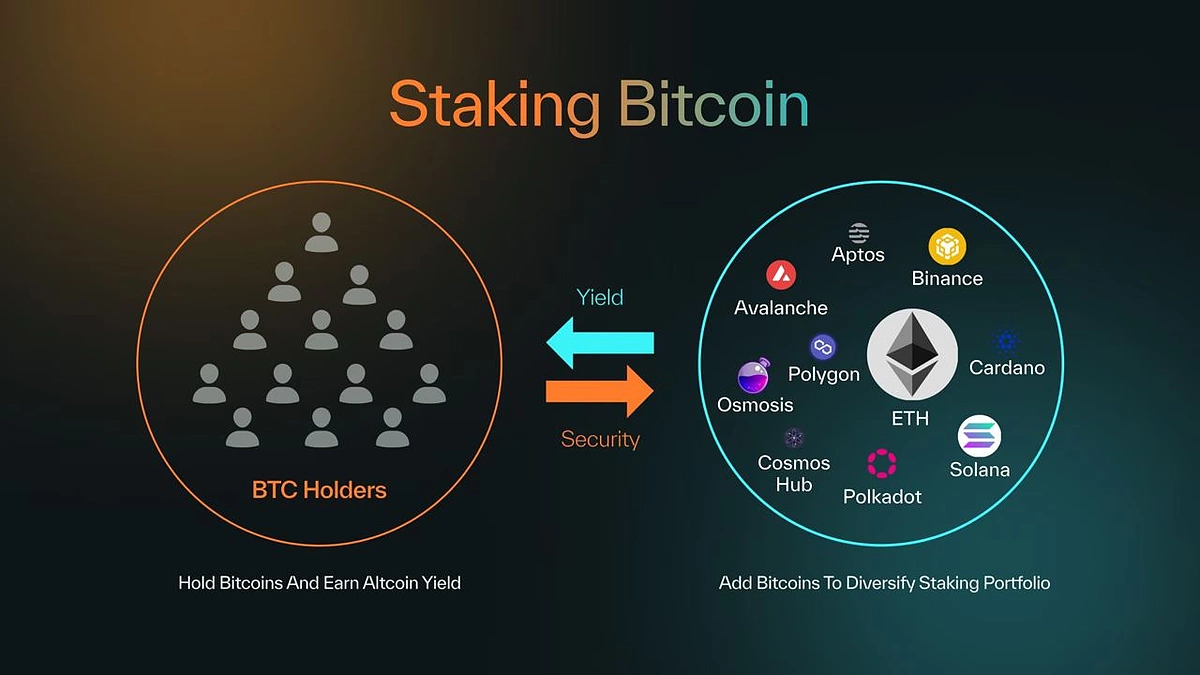
Integrating Bitcoin as a staking asset offers a potential solution. By enabling BTC holders to stake their coins to help protect other PoS chains, PoS networks can access a much larger source of capital. Even a small portion of BTC being staked can exceed the value of a chain’s native token supply, significantly increasing the capital base used to deter malicious behavior.
This model could be particularly beneficial for newer ecosystems or protocols seeking to improve their initial security posture and attract broader participation.
Source: Babylon
Yield Generation for Bitcoin Holders
Native Bitcoin staking introduces a new way for BTC holders to earn passive rewards by contributing to the security of external PoS chains.
The staking rewards are not generated by the Bitcoin network itself, but rather by the PoS chain that is utilizing the staked BTC to enhance its own security. PoS chains often reward validators and stakers using newly minted tokens and a portion of network transaction fees. BTC stakers who help secure these chains can receive a share of these rewards.
While the rewards are typically paid in the PoS chain’s token rather than BTC itself, the process allows Bitcoin to function as a productive asset, expanding its role beyond passive storage to active participation in securing decentralized networks.
As native Bitcoin staking moves from concept to implementation, several innovative projects are leading the charge. Each takes a distinct approach to making BTC a productive asset without compromising its core principles.
The Babylon Protocol is an innovative Bitcoin staking platform that enables BTC holders to stake their assets to secure Proof-of-Stake (PoS) networks and earn rewards in return. By leveraging Bitcoin's robust security and liquidity, Babylon aims to enhance the economic security of various PoS systems without relying on intermediaries.
The Babylon Protocol introduces several core features designed to integrate Bitcoin into the PoS ecosystem:
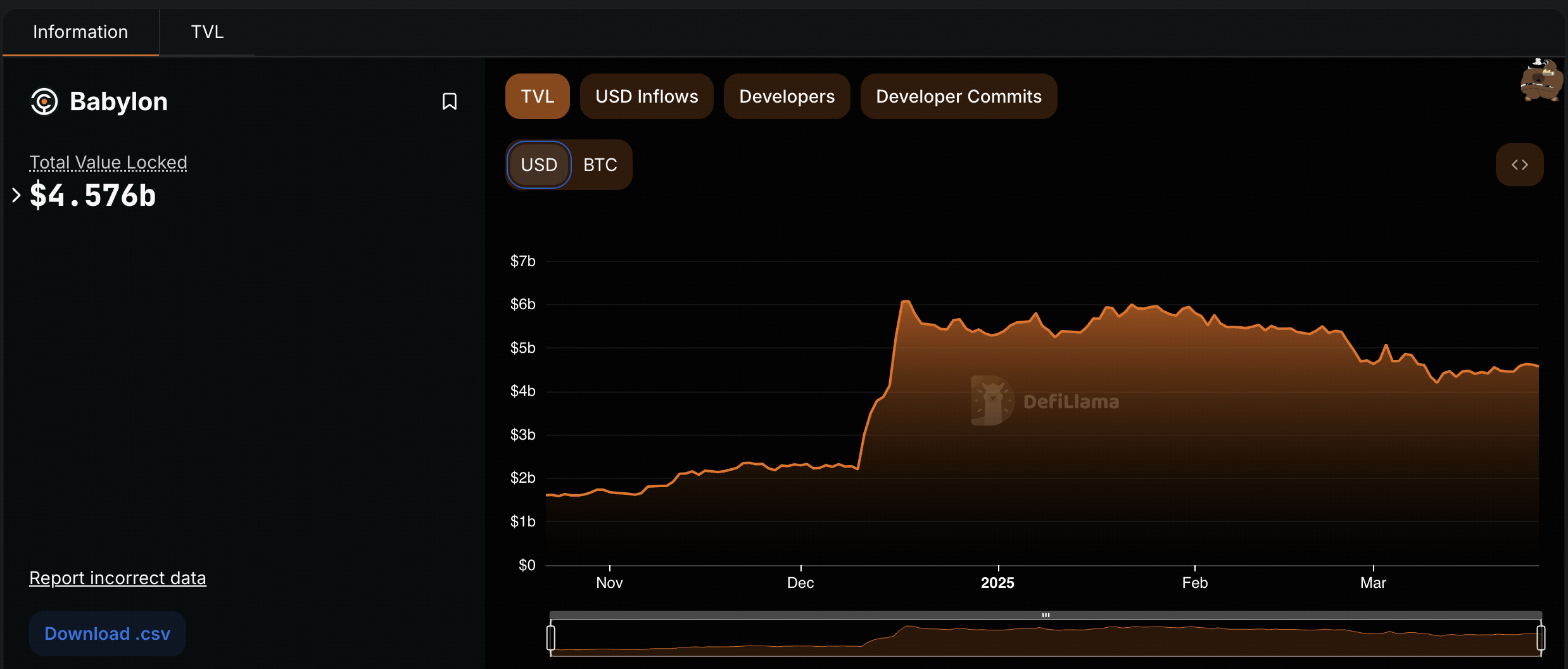
The Babylon Protocol has experienced a remarkable surge in Total Value Locked (TVL) since its inception. By March 2025, Babylon had accumulated approximately 52,000 BTC in deposits, equating to around $4.5 billion in TVL.
Source: DefiLlama
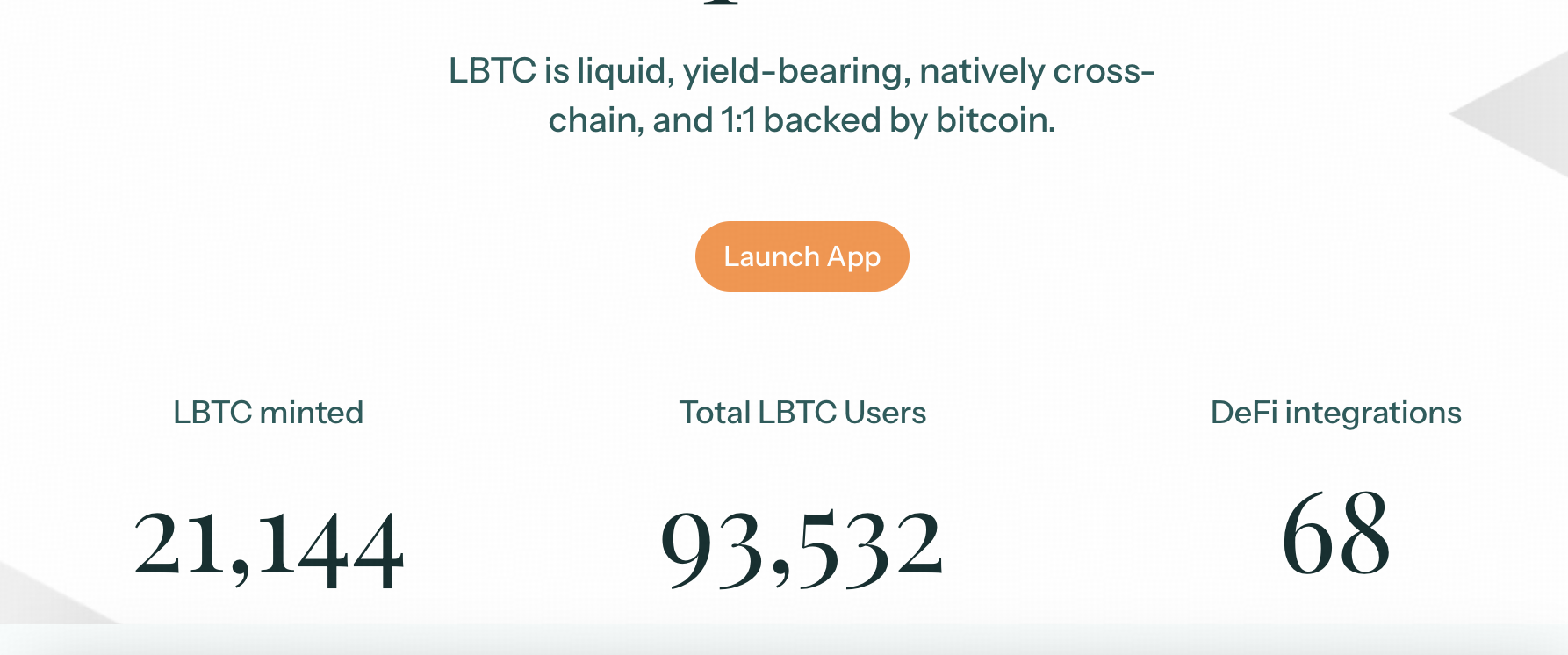
Lombard Finance is a pioneering Bitcoin liquid staking protocol that enables BTC holders to earn staking rewards while maintaining liquidity through its flagship product, LBTC—a liquid, yield-bearing token backed 1:1 by Bitcoin. Established in April 2024, Lombard aims to unlock Bitcoin's potential within the decentralized finance (DeFi) ecosystem by facilitating seamless integration across various blockchain networks.
Source: https://www.lombard.finance/
Lombard is closely integrated with Babylon, using Babylon's trustless staking infrastructure as the foundational layer for its BTC staking mechanism. By staking BTC through Babylon, Lombard users can earn rewards while minting LBTC as a liquid representation of their staked assets.
Lombard's core features include:
Top DeFi yield opportunities for LBTC:
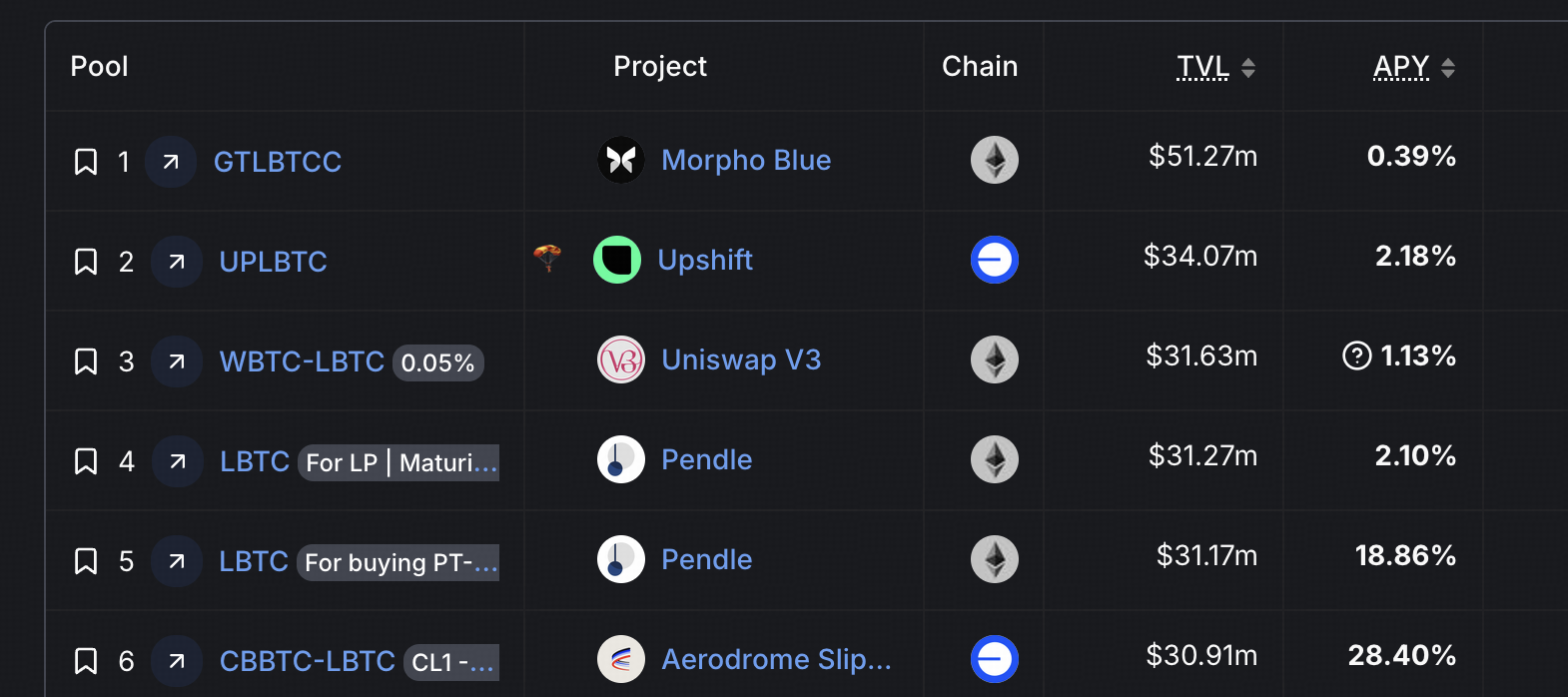
Source: DefiLlama
SolvBTC is a yield-bearing, omnichain Bitcoin token introduced by Solv Protocol. The yield for SolvBTC holders comes from a diversified set of strategies, including lending BTC to institutional-grade platforms, participating in delta-neutral trading strategies, and staking assets in various partner ecosystems.
SolvBTC enhances Bitcoin's usability through three main product variants tailored to different blockchain ecosystems:
These products are underpinned by several shared features:
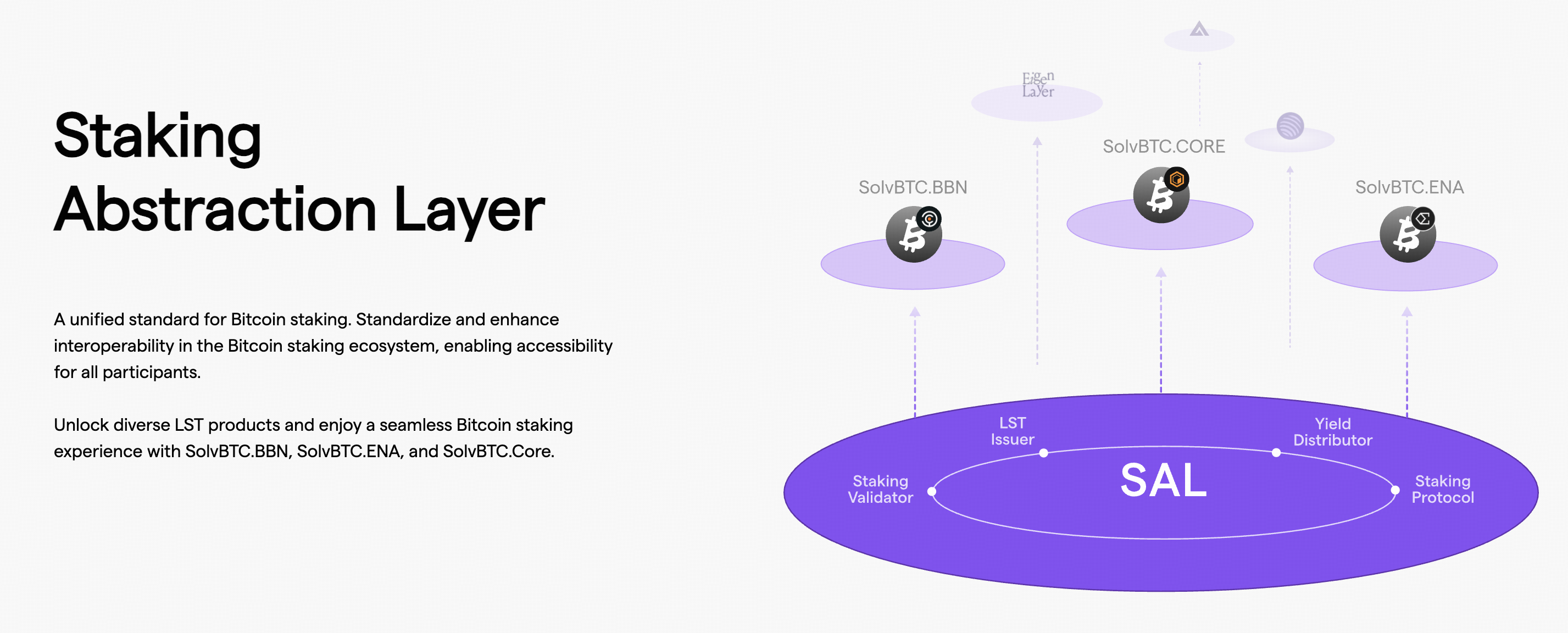
Source: Solv Protocol
Bitcoin staking represents a transformative evolution in how BTC can be utilized within the crypto ecosystem. Traditionally viewed solely as a store of value, Bitcoin is now gaining utility through protocols like Babylon, Lombard, SolvBTC, each offering innovative ways for holders to earn passive income and interact with DeFi applications without compromising asset custody.
As the Bitcoin staking landscape continues to mature, it may redefine the role of BTC in the broader financial system—not just as “digital gold,” but as an actively yield-generating asset central to the blockchain ecosystem.
 APP
APP