In web2, there are plenty of mature tools to analyze customer profiles, so that services providers like Google, Instagram, and Amazon could get insights into their customer behaviors and conduct targeted marketing, pushing tailor-made products and services recommendations. Project Galaxy is the first Web3 project to tap into this market and aims to provide a Web3 user credential data market using a decentralized method.
Project Galaxy is a data credential network that connects data curators and data users. Credential data can be used for building user experiences, marketing, advertising campaigns, and validating work and many other use cases.
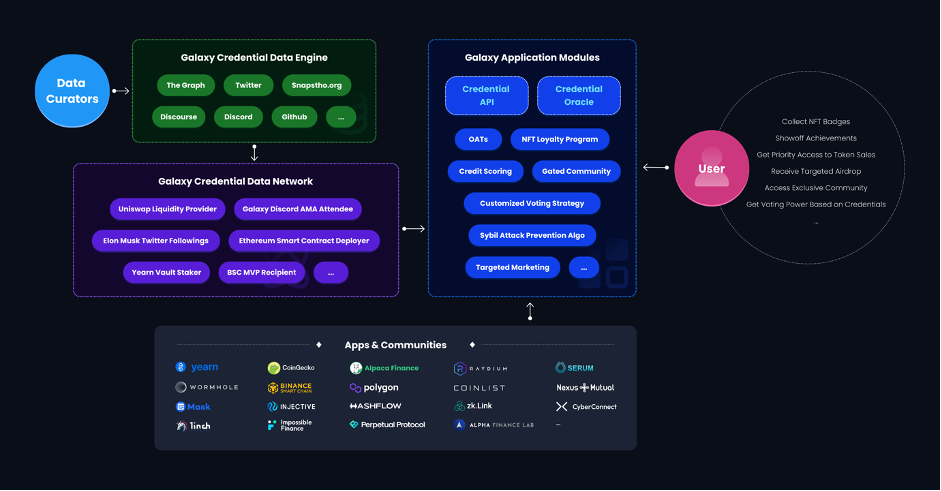
Three important concepts for this project:
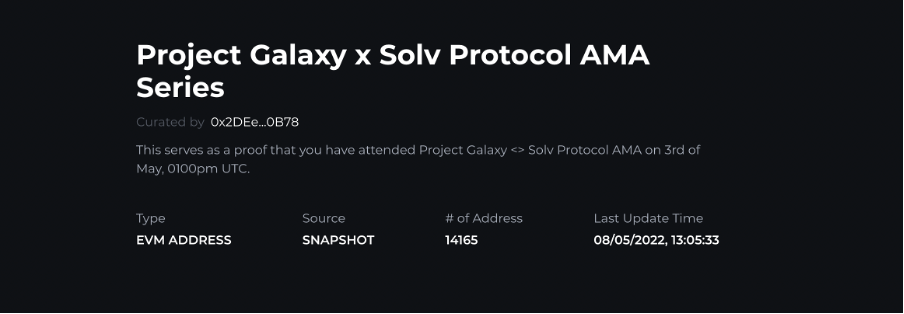
The project has gained good market traction, mainly for the Application Modules. Application Modules are a bit like POAP, which mint NFTs for users as proof for attending events or completing some on-chain tasks. It provides an easy to use backend for protocols to mint NFTs for their users as a marketing tool. Galaxy ID, which can display a user's on-chain achievement, has more than 1.2 million users registered. The project has launched more than 2,300 marketing campaigns and loyalty programs, and more than 500,000 credential-based NFTs are minted every month.
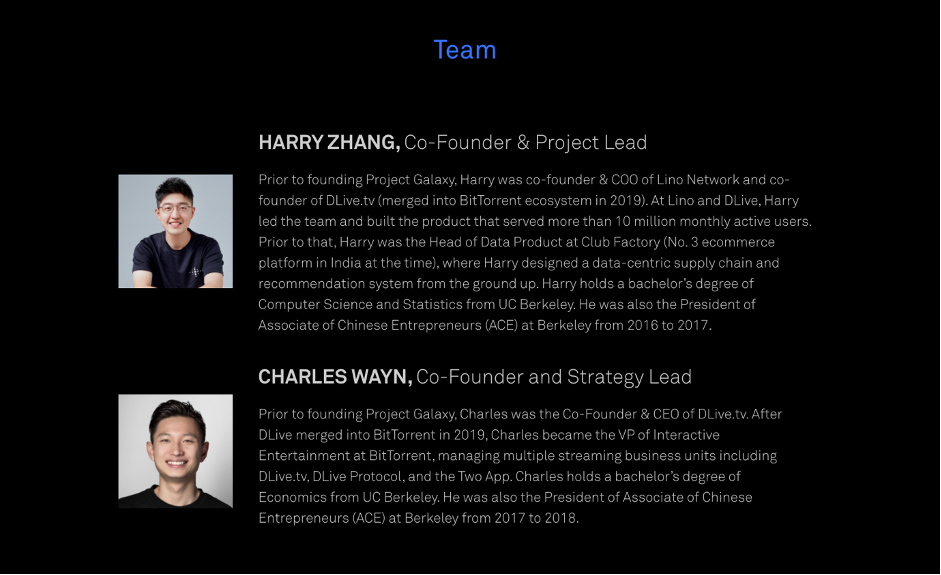
Harry Zhang, Co-Founder & Project Lead.
Charles Wayn, Co-Founder & Strategy Lead.
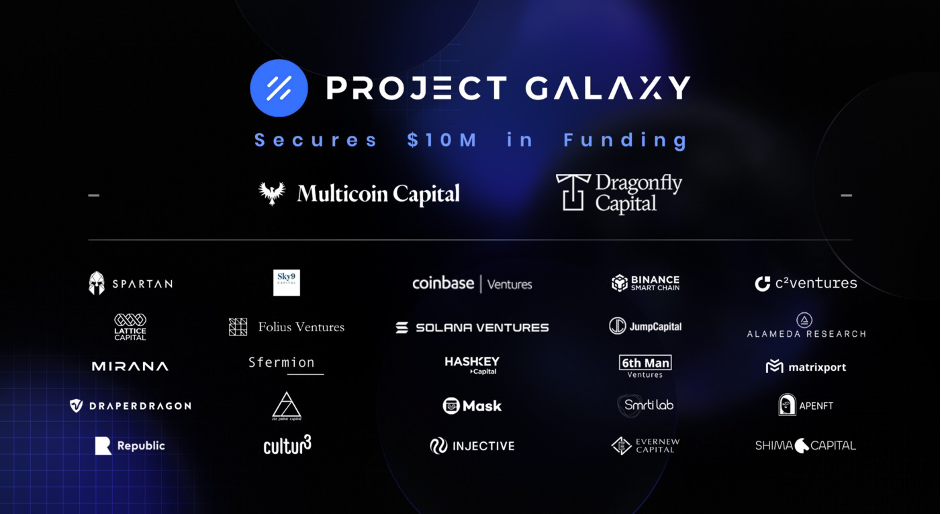
Project Galaxy raised $10M in January led by Multicoin Capital and Dragonfly Capital together with many well-known funds.
In February, the project conducted its ICO on Coinlist, which raised $15M at a token price of $1.5.
POAP offers a similar service to the application module of Project Galaxy. POAP is an acronym for "Proof of Attendance Protocol". The POAP NFT proves that you attended an event or had a certain experience. POAP has become a popular marketing tool for new projects, communities, and events participants could receive a special NFT as proof they attend the activity.
In Project Galaxy, the Application Module provides similar functionality. Protocols can use the Application Module to easily create and distribute NFT badges to reward their community members for marketing purposes. When users complete some tasks or attend some events, protocols could use Project Galaxy's infrastructure to mint NFT badges and distribute them to users. Protocols can later design value accruing mechanisms for those NFT holders, such as airdrop, whitelist for the token sale, etc.
Project Galaxy has a far bigger vision than just an on-chain activity proof and marketing tool. It is integrating on-chain and off-chain credential data to establish a network as introduced before. There is no direct competitor currently in the market. This also explains the hype for this project.
The project has built a good relationship with many protocols, and provides an easy-to-use marketing platform . However, such a service doesn't have deep moat. The demand for NFTs as a marketing tool depends on whether protocols will continue using this kind of marketing strategy. In such a fast-evolving market, more innovative methods to engage and attract new users will likely emerge.
The moat for the project shall lie in whether Project Galaxy can successfully establish the network effect for its credential data network.
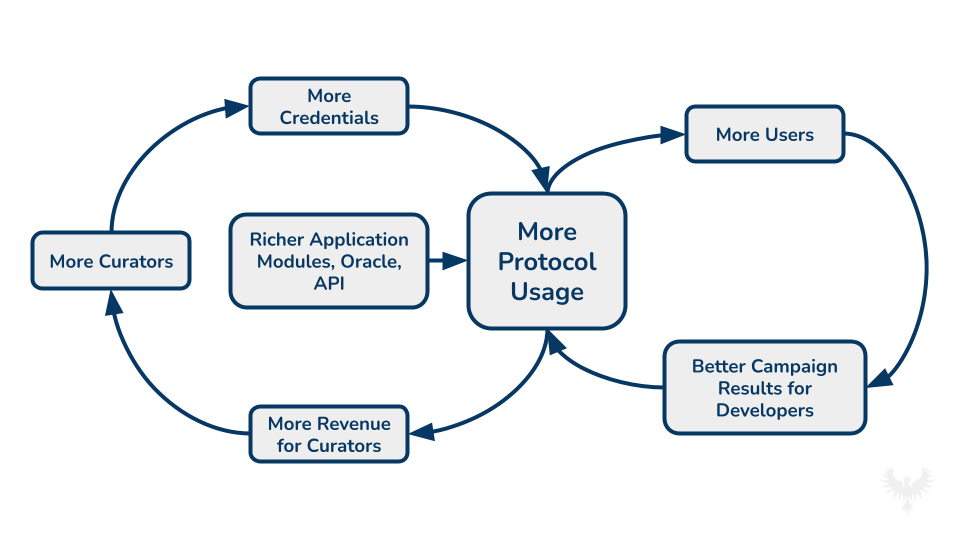
The business flywheel is shown above. If Project Galaxy can incentivize more curators to generate valuable credential datasets, more protocols will use those datasets to design better campaigns and understand their customer profile. This will translate to more revenue for data curators and can thus incentivize them further.
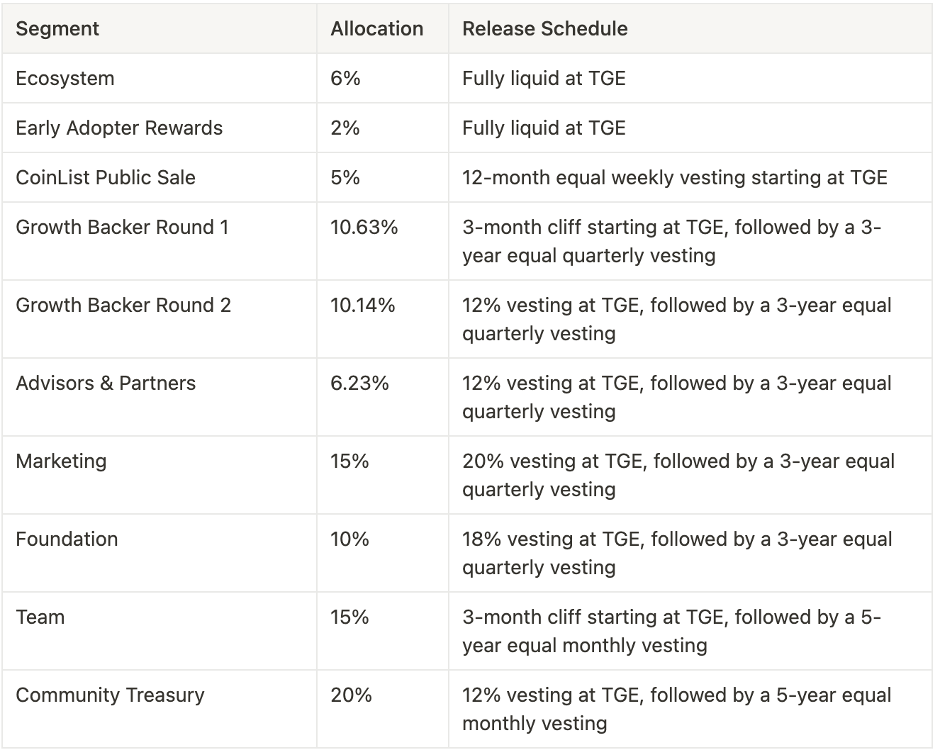
The project governance token is $GAL, with a total supply of 200M. The distribution is as below:
Aside from being a governance token, the main value capturing for the project token is to act as a medium of exchange in Project Galaxy's ecosystem. The token is used for paying the Application Module fee. Developers who use the credential data need to pay a platform fee which is charged in $GAL. The fee is then distributed to data curators and the community treasury. Developers also pay $GAL to query credential data through the Galaxy Oracle Engine and Galaxy Credential API.
One of the main thesis of Web3 is self-sovereign data. It empowers consumers to own their data. This is in contrast to Web2, in which tech giants and banks control consumers' data. The business model of Project Galaxy is innovative. It brings one step forward to the data sovereignty that has long been envisioned. Although currently the business is focused on NFT as a service for marketing campaigns, it is worth keeping a close eye on its future development of a credential data network.
 APP
APP