As the Sui blockchain rapidly evolves into one of the most dynamic ecosystems, a new wave of standout projects is leading to its expansion across DeFi, gaming, infrastructure.
Launched by Mysten Labs in 2022, Sui is a next-generation Layer 1 blockchain designed to redefine scalability and user experience through its unique object-based architecture and the Move programming language. Unlike traditional account-based blockchains, Sui treats assets as programmable objects, enabling more expressive and secure smart contract logic. Its parallel execution engine allows for massive throughput and near-instant finality, making it one of the most performant blockchains in production.
By 2025, Sui has evolved from a promising newcomer into a mature, rapidly expanding ecosystem. With notable adoption across DeFi, gaming, and real-world asset (RWA) sectors, Sui now competes head-to-head with major L1s such as Solana.
Related Reading: What is Sui?
As of April 2025, Sui’s market capitalization stands at approximately $8.92 billion, with a circulating supply of 3.24 billion SUI tokens priced around $2.75 each. This valuation places Sui among the top 15 cryptocurrencies by market cap and reflects a period of relative market stability.
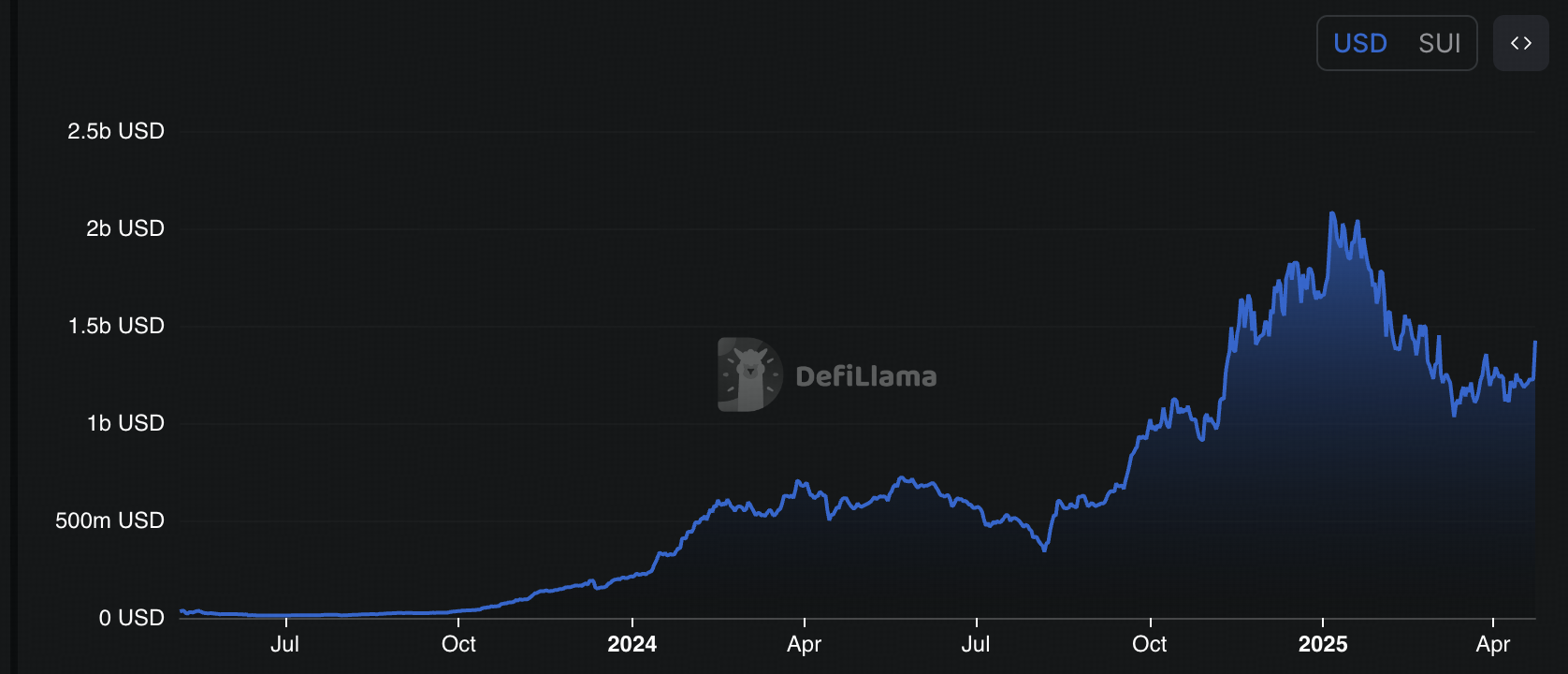
In terms of decentralized finance (DeFi) activity, Total Value Locked (TVL) on Sui reached a peak of $2.065 billion in January 2025. As of April, TVL has declined to $1.226 billion, indicating a degree of short-term volatility. Nonetheless, the overall trajectory from under $500 million in early 2024 to over $1 billion in 2025 suggests notable ecosystem engagement.
Source: https://defillama.com/chain/sui
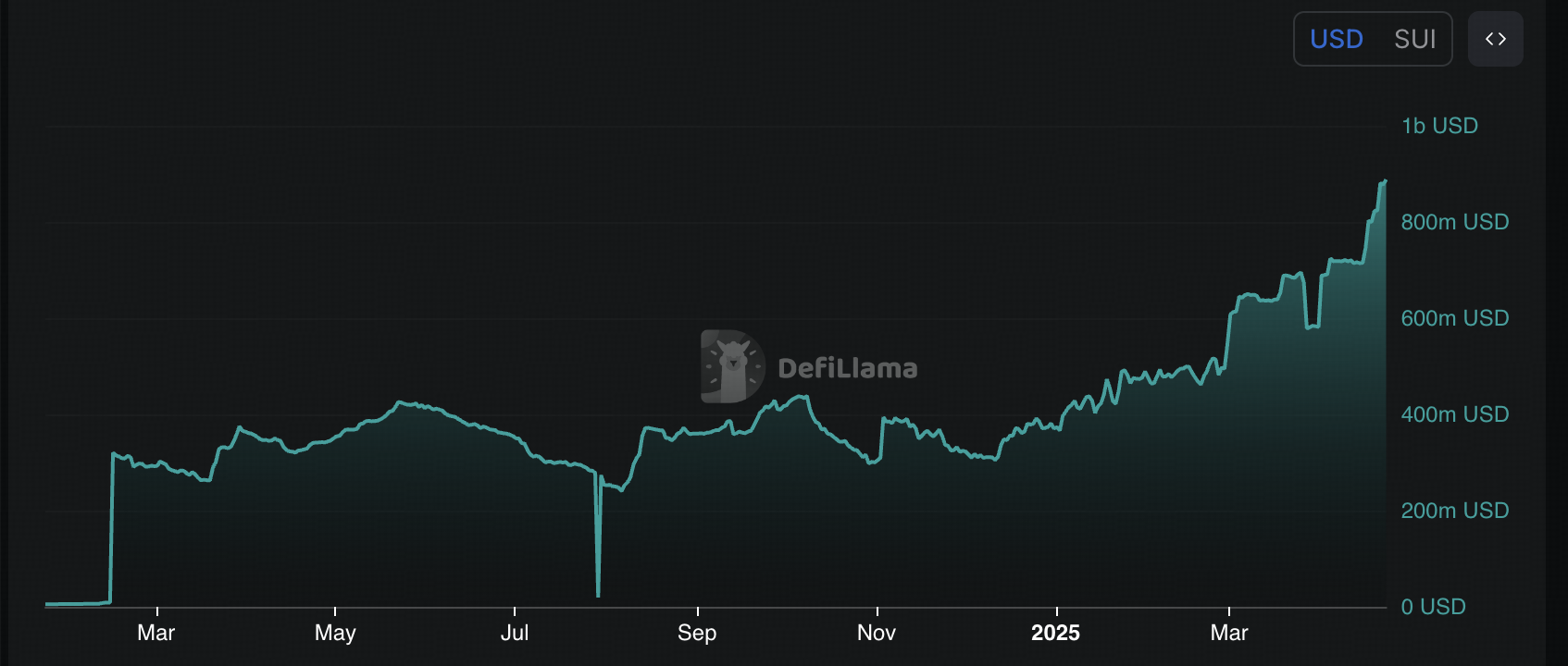
As of April, 2025, the total market capitalization of stablecoins on the Sui blockchain has reached $877.88 million, reflecting a significant increase of over 2x since December 2024.
This expansion appears to be driven primarily by the integration of major stablecoins such as USDC, AUSD, FDUSD, and USDY, which were introduced to the Sui ecosystem in 2024. These integrations have contributed to enhanced liquidity, transaction utility, and participation in decentralized finance (DeFi) protocols. Growing user activity on the network, including an increase in active addresses, further suggests that stablecoins are being adopted for a range of uses, from lending and trading to remittances and savings.
The Sui blockchain supports a diverse range of high-impact protocols that contribute to its expanding ecosystem across DeFi, infrastructure, and gaming. In the DeFi sector, Cetus Protocol and DeepBook stand out, playing key roles in liquidity provision and decentralized trading. On the infrastructure side, Walrus focuses on decentralized storage and programmable data management, representing a newer category of utility on Sui. MemeFi, a top Tap-to-Earn game originally on Ton chain, now migrated to Sui, demonstrated the attractiveness of Sui chain's capability to support gaming applications. Collectively, these protocols reflect the network’s technical versatility and support the continued adoption and growth of the Sui ecosystem.
DeepBook Protocol is a decentralized central limit order book (CLOB) built on the Sui blockchain, designed to provide high-speed, low-latency trading directly on-chain. Launched in July 2023, DeepBook serves as the native liquidity layer for the Sui ecosystem, facilitating seamless transactions for Sui-based applications.
DeepBook does not include an end-user interface for token trading. Rather, it offers built-in trading functionality that can support token trades from decentralized exchanges, wallets, or other apps.
At its core, DeepBook functions as a fully on-chain central limit order book (CLOB), where every order placement, cancellation, and trade execution is transparently recorded on the blockchain. This ensures a high level of openness and trust in the trading process. Taking advantage of Sui's parallel execution framework, the protocol is capable of settling trades in approximately 390 milliseconds, making it well-suited for latency-sensitive, high-frequency trading environments.
To support consistent market activity, DeepBook incorporates an advanced market-making algorithm that helps maintain liquidity across trading pairs while minimizing slippage for users. The platform also implements a dynamic fee structure, which offers rebates to market makers during periods of low liquidity and discounts to active traders, encouraging continuous engagement. Furthermore, DeepBook is designed to be highly composable, serving as a foundational infrastructure layer that other DeFi applications can easily integrate with and build upon.
Security is also a central focus for DeepBook. The protocol undergoes rigorous audits, maintains bug bounty programs, and collaborates with security experts to ensure a resilient and trustworthy environment.
Token Utility
The DEEP token serves multiple functions within the DeepBook ecosystem:
Token Allocation
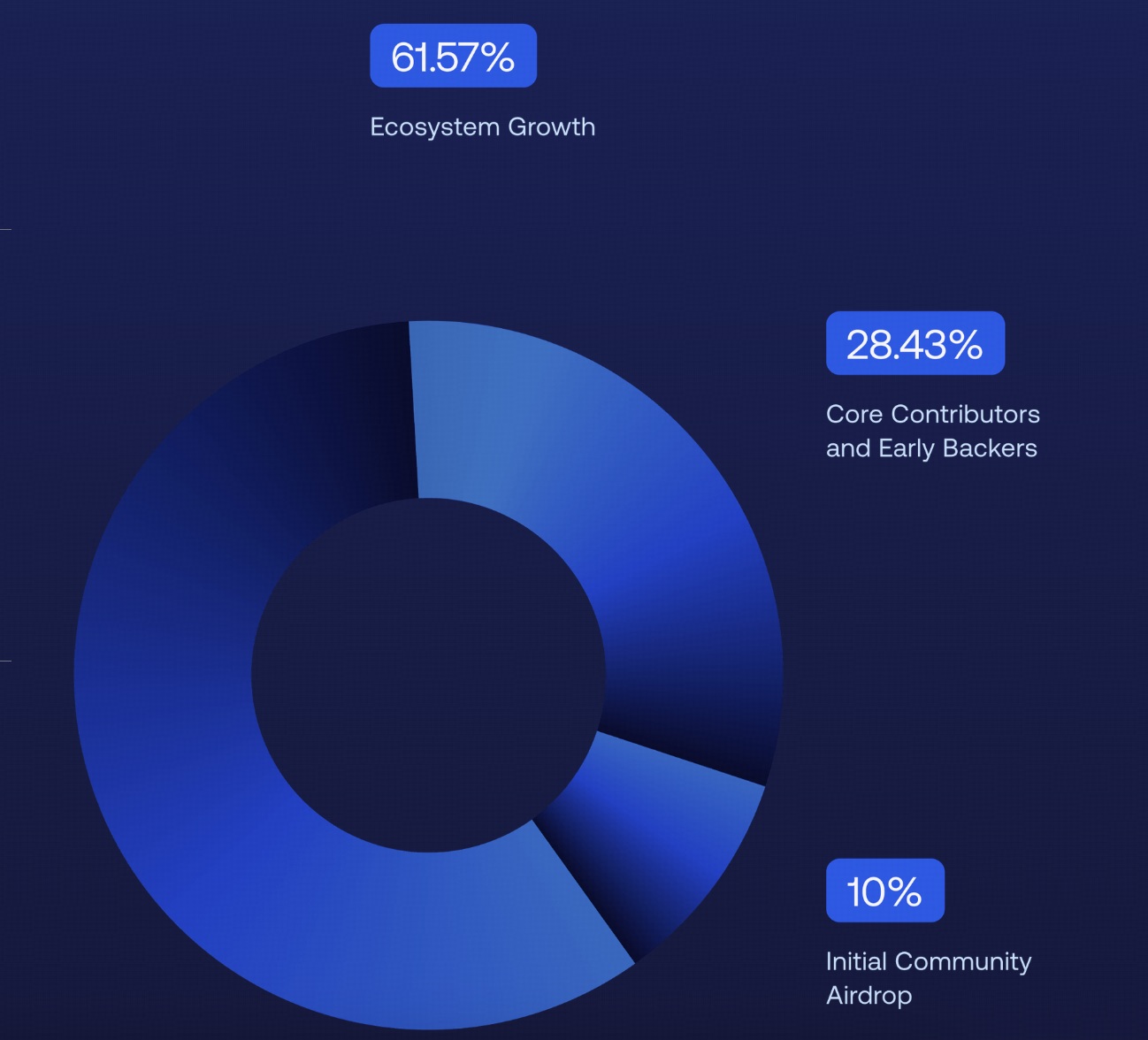
The total supply of DEEP tokens is capped at 10 billion, split into three buckets:
Source: https://deepbook.tech/deep-token
At the Token Generation Event (TGE), 25% of the total supply was unlocked, equating to an initial circulating supply of 2.5 billion tokens.
Vesting Schedule
The remaining 75% of the tokens are subject to a vesting schedule to ensure alignment with the project's long-term goals:
Cetus Protocol is a decentralized exchange (DEX) and concentrated liquidity protocol built on the Sui blockchain. Launched on May 10, 2023, Cetus aims to provide a flexible and efficient liquidity network for decentralized finance (DeFi) users. It leverages the Concentrated Liquidity Market Maker (CLMM) model to enhance capital efficiency and offer a superior trading experience.
Cetus Protocol offers a suite of innovative features designed to optimize trading and liquidity provision on the Sui blockchain.
Concentrated Liquidity Market Maker (CLMM)
Cetus employs the CLMM model, allowing liquidity providers (LPs) to allocate funds within specific price ranges. This targeted approach enhances capital efficiency by concentrating liquidity where trading activity is highest, enabling LPs to earn more fees compared to traditional automated market makers.
Infinity Pools
Infinity Pools are permissionless liquidity pools with multiple fee tiers, providing flexibility for LPs to manage their positions effectively. These pools support various trading strategies and cater to a wide range of assets, enhancing the overall liquidity and trading experience on Cetus.
Cetus Vault
Cetus Vault offers automated and optimized management of liquidity positions, making it accessible for users of all experience levels. It simplifies the process of providing liquidity and helps users maximize their returns through automated strategies.
Intent Trading
Intent Trading introduces convenient automation by enabling users to set specific trading intentions, such as Dollar-Cost Averaging (DCA) and limit orders. This feature provides users with greater control over their transactions and allows for more strategic trading approaches.
Super Aggregator
The Super Aggregator aggregates liquidity from all key sources within the Sui ecosystem, ensuring users have access to the best available prices and deepest liquidity. This feature enhances the efficiency and effectiveness of trades executed on Cetus.
Token Utility
CETUS is the native utility token of the Cetus Protocol, serving multiple purposes within the ecosystem.
Token Allocation
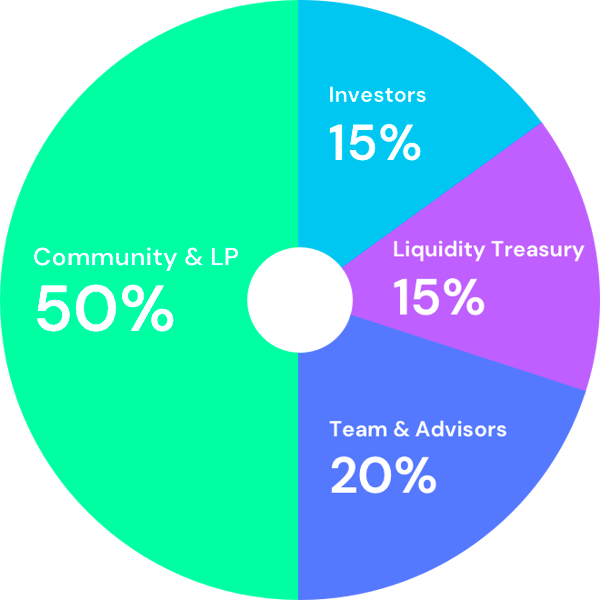
The total supply of CETUS tokens is capped at 1,000,000,000, distributed as follows:
Source: https://cetus-1.gitbook.io/cetus-docs/tokenomics/cetus?utm_source=chatgpt.com
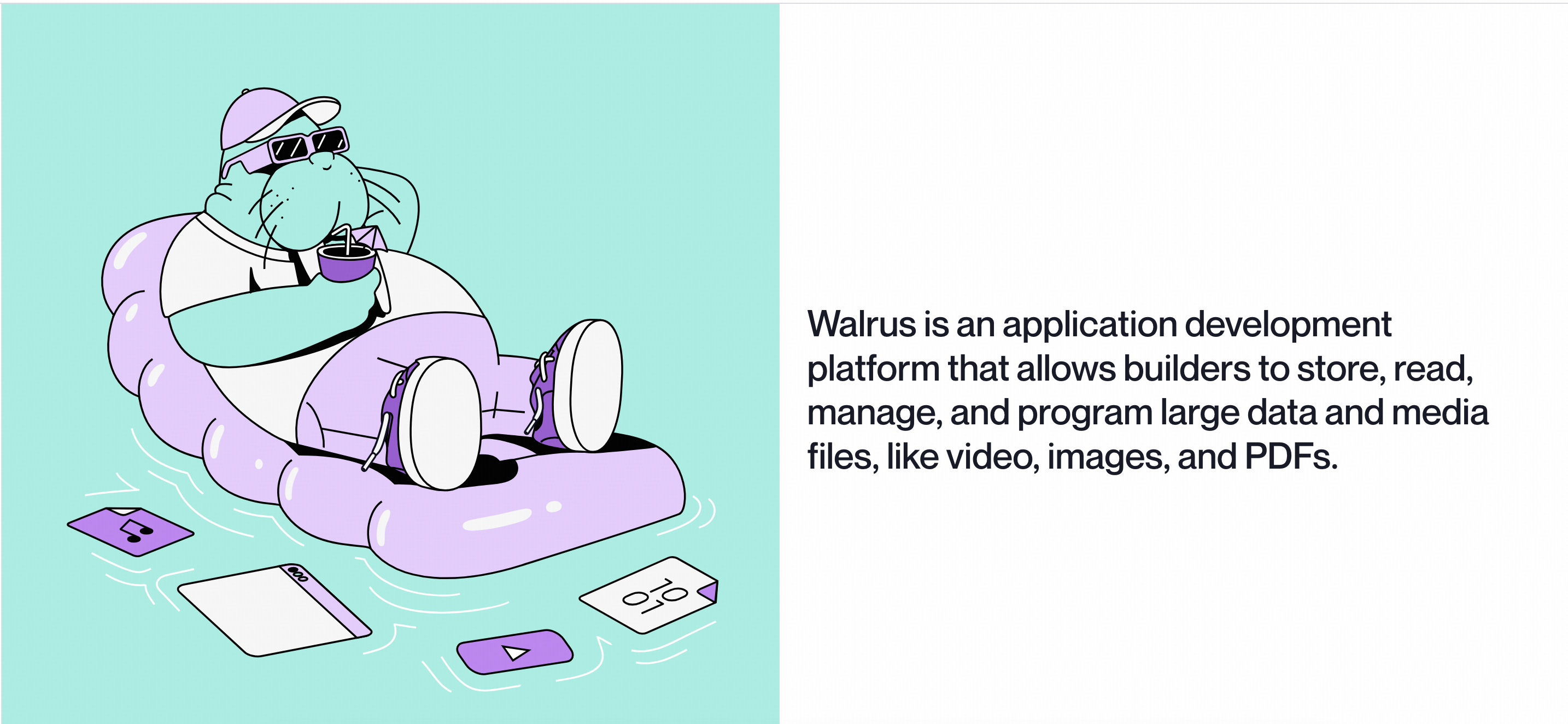
Walrus Protocol is a decentralized storage and data availability solution developed by Mysten Labs, the creators of the Sui blockchain. Designed to efficiently handle large binary files, commonly referred to as "blobs," Walrus aims to provide secure, scalable, and cost-effective storage for decentralized applications. The protocol leverages Sui's high-performance architecture to offer programmable storage solutions that integrate seamlessly with smart contracts.
Walrus Protocol brings a suite of innovative features that overcome the key limitations of traditional decentralized storage systems. At its core, Walrus excels in the efficient storage of large files by utilizing advanced erasure coding techniques. These methods break data into smaller fragments—called "slivers"—which are distributed across multiple storage nodes. This not only guarantees redundancy and fault tolerance but also dramatically reduces storage costs, making Walrus more cost-effective compared to many existing solutions.
Its seamless integration with the Sui blockchain adds a layer of programmability that distinguishes Walrus from other storage protocols. Smart contracts can directly interact with stored data, enabling dynamic applications like NFT marketplaces, on-chain media platforms, and data-rich DeFi tools.
Reliability is another hallmark of the protocol. Even if two-thirds of its storage nodes go offline, Walrus can still recover all stored data thanks to robust data certification and fault-tolerant architecture. Unlike centralized cloud providers, Walrus is inherently decentralized. It removes single points of failure and enhances data sovereignty by giving users complete control over their files.
In terms of accessibility, Walrus provides multiple interfaces—including CLI, SDKs, and web-based tools—making it easy for developers and end users to interact with the system.
Token Utility
The WAL token serves multiple purposes within the Walrus ecosystem:
Token Allocation
The total supply of WAL tokens is 5 billion, distributed as follows:
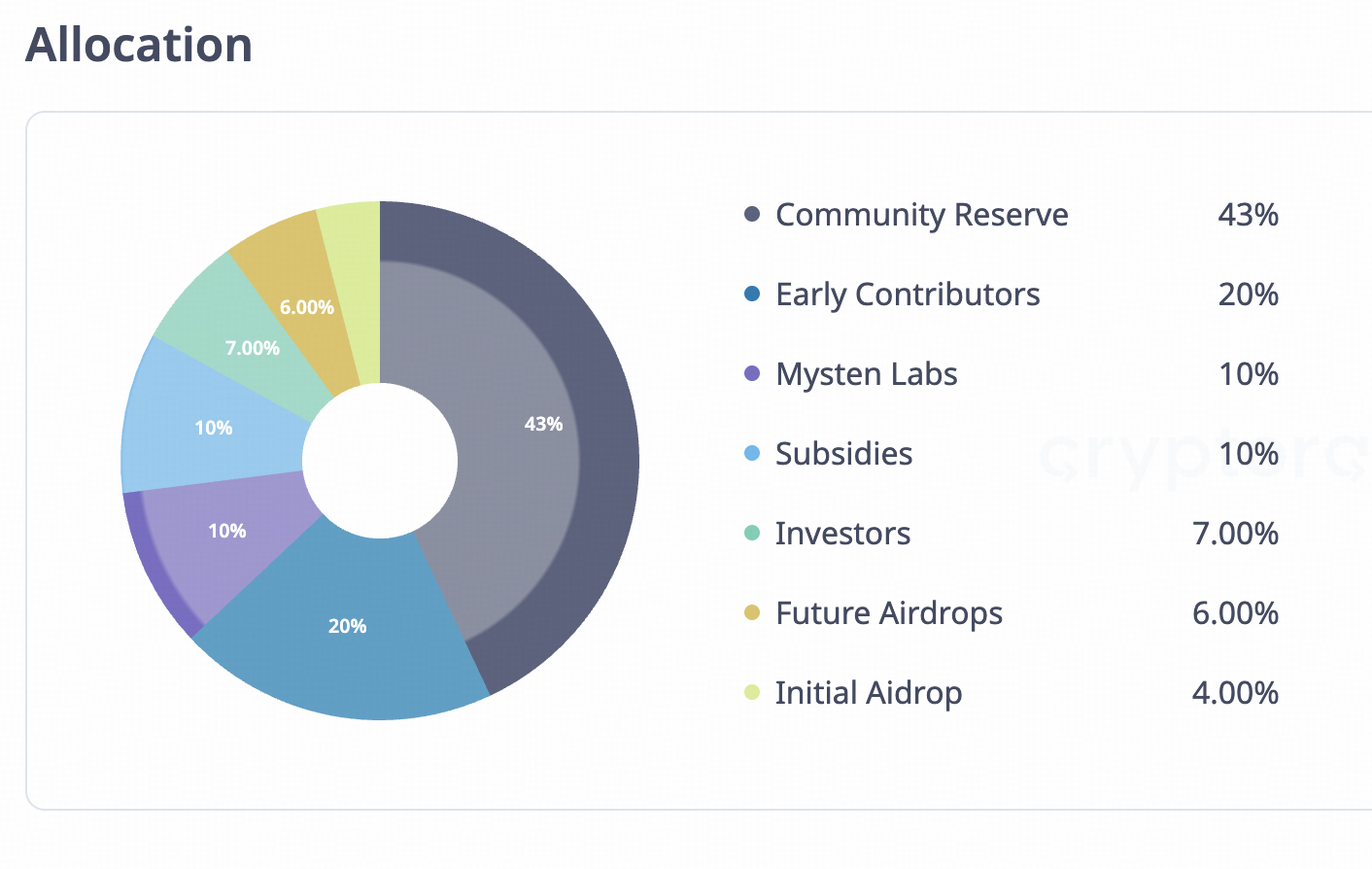
Source: https://cryptorank.io/price/walrus-protocol/vesting
MemeFi is a tap-to-earn Telegram game that combines meme culture with GameFi mechanics, now positioned as a flagship consumer application on the Sui blockchain. It was initially launched in early April 2024 as a Telegram mini-game, designed to be hyper-accessible and virally engaging, with players tapping their screens to defeat meme-themed bosses and earn in-game rewards.
In November 2024, MemeFi completed its migration to the Sui Network, a move made to benefit from Sui's low latency and high scalability. Alongside this, it conducted the token generation event (TGE) for its native utility and governance token, MEMEFI, and began distributing rewards through airdrops and in-game incentives
MemeFi introduces a tap-to-earn combat game where players engage in battles against meme-inspired enemies simply by tapping their screens. This straightforward yet addictive gameplay mechanic enables users to earn in-game currency, making the experience both fun and rewarding.

The game also introduces a clan system where players can join or create meme-themed factions tied to popular coins like Dogecoin or Shiba Inu. These clans compete in large-scale raids, attacking rival groups to steal treasure and gain dominance.
To fuel competition, MemeFi includes a leaderboard that tracks player performance and ranks them accordingly. High-ranking players are rewarded with MemeFi Coins and exclusive in-game benefits, pushing users to continually improve and engage.
Token Utility
MEMEFI serves as both the main utility and governance token within the MemeFi ecosystem. Its utilities include:
Token Allocation
The total supply of MEMEFI tokens is capped at 10 billion
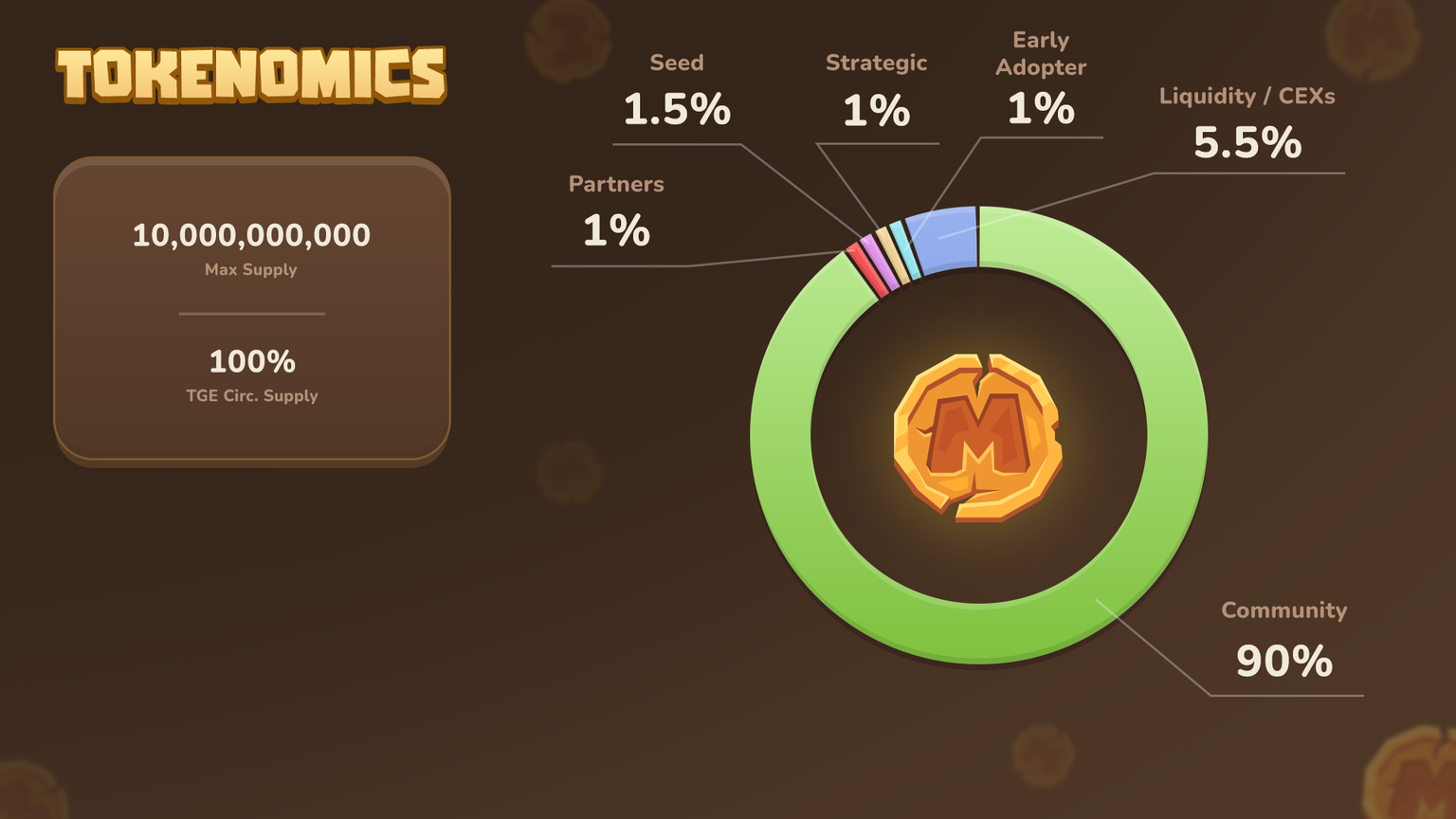
At the Token Generation Event (TGE), the entire token supply was released, with 90% allocated to the community. There is no vesting schedule for the community allocation, allowing immediate access to tokens.
The Sui ecosystem is entering a pivotal phase of expansion and innovation, poised to become a foundational layer for the next generation of Web3 applications. With its object-centric architecture and parallel transaction execution, Sui offers unmatched scalability and performance, making it ideal for high-throughput use cases like gaming, DeFi, and real-world infrastructure
Ultimately, Sui is positioning itself not just as a high-performance blockchain, but as a developer-first, user-centric, and globally accessible platform.
 APP
APP